

85% of education and training leaders state they plan to adopt digital credentials in the next 12 months (2024 Accredible market survey).

Digital credentials have become a cornerstone of modern learning and workforce ecosystems. They help organizations recognize achievements, provide verifiable proof of skills, and increase visibility in professional and academic networks. According to the 2024 State of Credentialing report, 94% of organizations that have adopted digital credentials report a positive impact on their business.
And learners are asking for and benefiting from them as well. The same report reveals that 96% of learners who earned a digital credential consider it valuable for their career, and 78% believe it increases their chances of getting a job offer.
It’s no wonder organizations like Google, IAPP, McGraw Hill, MIT, Skillsoft, Slack, and the University of Cambridge have embraced digital credentials as a critical component of their programs.
However, choosing the right digital credential platform is a business imperative. And with the breadth of technology in the marketplace — from LMS digital badges to dedicated credentialing platforms — the decision can feel daunting.
Wherever you are in your credentialing journey, this guide will help you know what to look for in a digital credential platform, empowering your organization to select a solution that supports your goals and ensures long-term success.
For additional support, don’t miss our Digital Credentialing RFP Template, which offers a structured approach to vendor evaluation and decision-making.
Some organizations may explore using the badging functionality built into their Learning Management System (LMS) to simplify credentialing. While LMS badges offer convenience, they often lack advanced features like scalable branding, in-depth analytics, and stackable credentials found in dedicated platforms. This can limit engagement, visibility, and long-term growth.
To help you weigh the options, we’ve outlined key considerations in our blog post: Choosing Between LMS Digital Badges and Digital Credentialing Platforms: What’s Best for Your Organization?
To help you during your vendor evaluation process, each section below highlights critical areas to consider, explains why they matter, and includes key questions to ask potential providers.
Why This Matters: A user-friendly platform minimizes administrative workload, accelerates onboarding, and ensures seamless adoption by both staff and learners. For credentialing organizations, this translates to significant time savings and reduced manual errors, freeing staff to focus on strategic initiatives. For learners, a streamlined experience enhances engagement and increases the likelihood of sharing credentials online — amplifying program visibility and referrals.
Ask These Questions:
"Accredible is probably one of the best decisions that we made as an organization. We found the platform very intuitive and easy to use." - Doug Forman, Certification Director, International Association of Privacy Professionals (IAPP)
Why This Matters: Your credentials represent your organization’s value and reputation. A platform that amplifies your brand — rather than its own — reinforces your authority and builds trust among learners and employers. For learners, receiving a credential that reflects a trusted, recognizable brand boosts confidence in their achievement and increases the likelihood of sharing their credentials and engagement with future programs.
Ask These Questions:
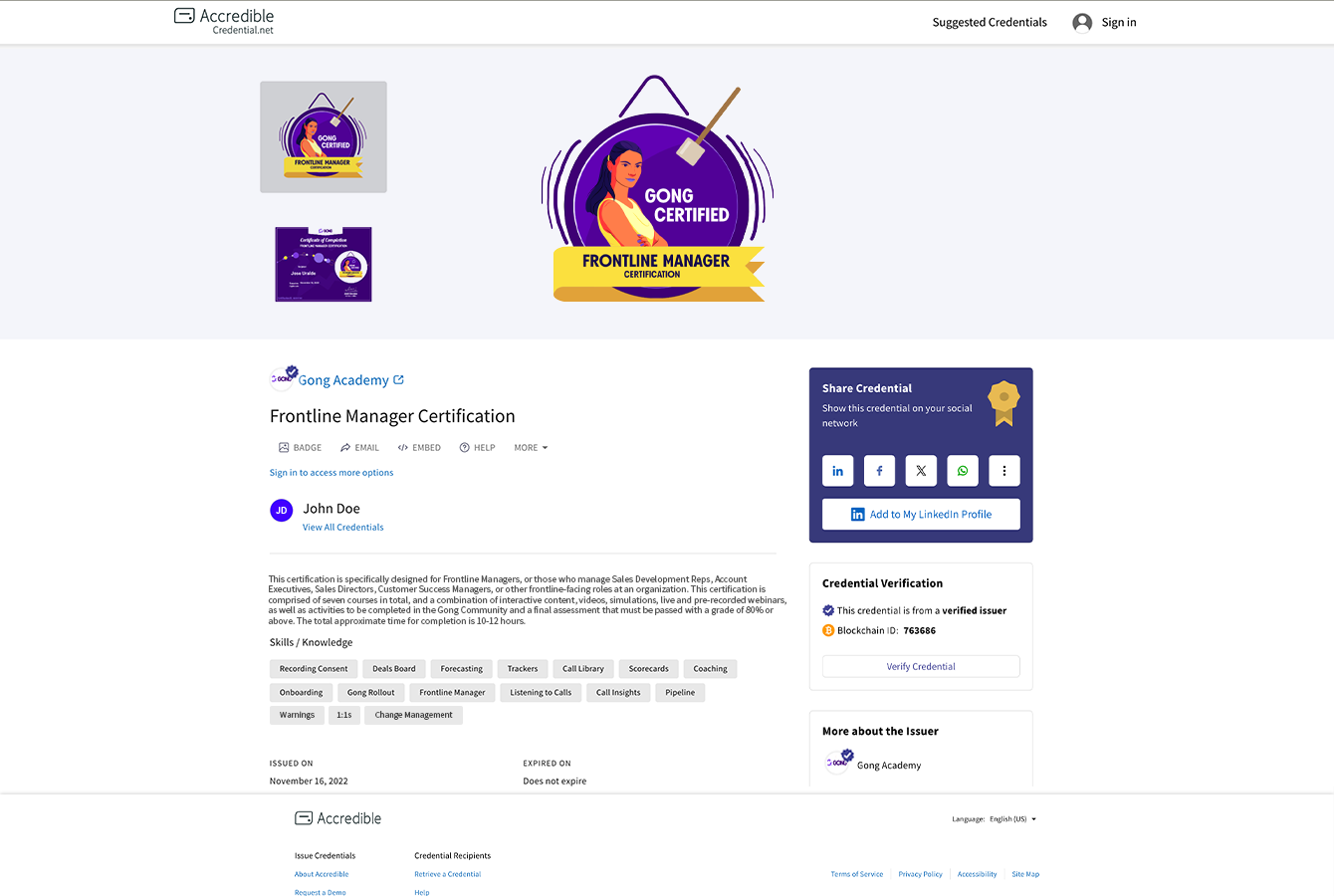
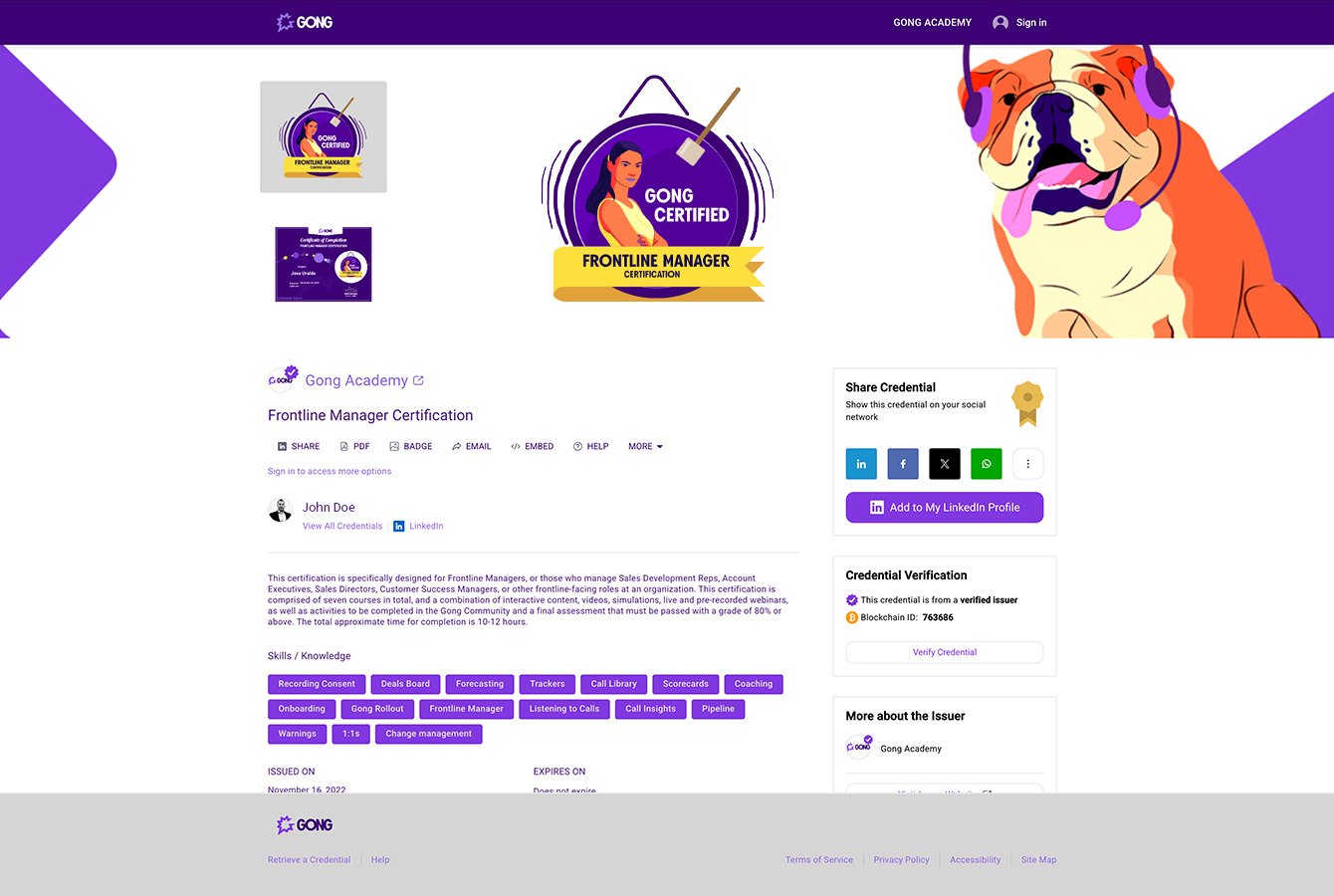
“What initially sold us on Accredible was the white-labeling option unavailable through Credly. When we send a credential, it looks the same as our other resources and is in a familiar place. It’s little things like this that uplevel the end user’s experience and ultimately drive greater retention, engagement, and sharing.” - Paul Voisard, Partner, The Maker Group
Why This Matters: Learners who share their achievements drive visibility, increase enrollments, and strengthen program reputation. Credentialing organizations benefit from organic marketing as shared credentials attract new learners and foster credibility within professional networks. For a deeper look at exactly what drives that sharing behavior (credential design, timing, email sequencing, incentives), see our practitioner's guide to increasing credential sharing.
Additionally, platforms that recommend relevant courses or promote credentialed learners can boost engagement and drive higher enrollment rates. For learners, the ability to easily share achievements enhances career prospects and establishes long-term value for their credentials.
Ask These Questions:
“Since we've started using [Accredible's] Recommendations, we’ve seen a lot more learners who earned credentials take additional courses. When we started, we had around 35% of learners return, but now we’re over 50% taking additional courses.” - Myriam Joseph, Assistant Director of Marketing and Business Development, MIT Professional Education
Why This Matters: A superior learner experience ensures credentials translate into tangible career outcomes, motivating continued learning. For organizations, this means higher program completion rates and increased satisfaction among participants. Learners benefit from clearly defined pathways that guide their progress, fostering a sense of accomplishment and encouraging them to pursue additional credentials.
Ask These Questions:
97% of learners want a series of linked modules (e.g., courses or microcredentials) to help them master a topic, yet only 29% of credential issuers offer them. (2024 State of Credentialing)
Why This Matters: Protecting learner data and ensuring platform longevity are crucial for trust and growth. Organizations need to trust that their credentialing provider can handle increasing workloads and maintain operations for the long term. It’s equally vital to ensure learner information remains private and isn’t used for commercial purposes by third parties or parent companies. Learners expect their credentials to remain accessible and verifiable for years, making provider stability a key factor in safeguarding the value of their achievements.
Ask These Questions:
“I've spent 45 years in information technology, so I mean it when I say Accredible is such high-quality software — that's really what made the difference for us. You can’t miss with it.” - Arthur Thomas, Office of Microcredentials, Syracuse University
Why This Matters: Data-driven insights demonstrate program success and highlight areas for improvement. For credentialing organizations, analytics offer visibility into learner engagement, credential performance, and ROI — critical for refining strategies and driving growth. Learners also benefit when organizations leverage data to tailor programs that better align with career goals and industry needs.
Ask These Questions:
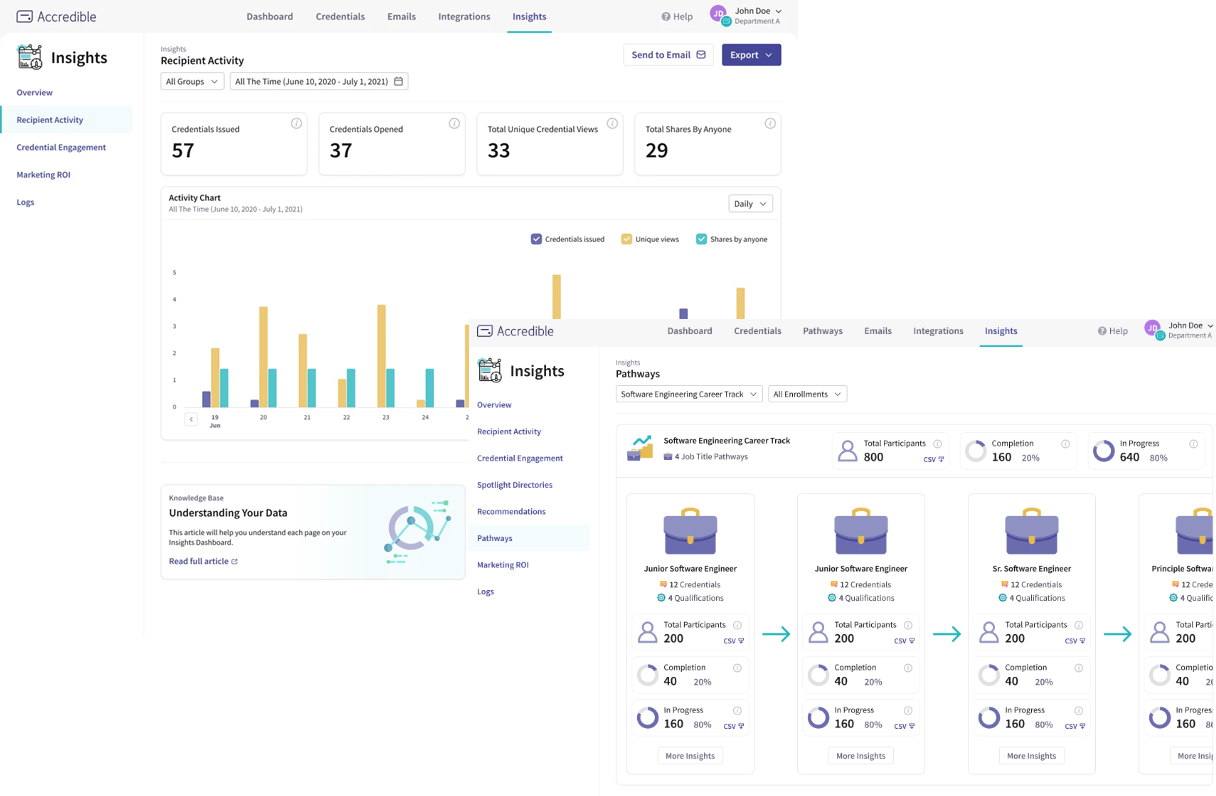
“We now use Accredible analytics as a diagnostic tool, digging into individual credentials or courses with lower-than-expected share rates, looking for clues as to how we can improve those metrics.” - Chris Dutton, Founder & Chief Product Officer, Maven Analytics
Why This Matters: A proactive and reliable support team ensures a smooth implementation, ongoing success, and alignment with your long-term goals. For organizations, dedicated support minimizes downtime, accelerates problem resolution, and drives continuous improvement. Learners benefit from uninterrupted access to credentials and a seamless experience, enhancing trust in the organization and platform.
Ask These Questions:
“We started investigating digital credentials in 2019 and looked at five or six platforms before we settled with Accredible — and the main driver was that customer experience. They’ve been a fantastic partner for us all along and help set us apart from the competition as we scale.” - Alexis Corso, Manager of Product Training & Certification, Trimble
Why This Matters: A transparent pricing structure ensures alignment with your budget while supporting scalability. Credentialing organizations must account for both initial costs and long-term growth to avoid unforeseen expenses. Transparent pricing fosters better financial planning and ensures that expanding credentialing programs remains cost-effective. For learners, scalable credentialing programs mean continued access to quality credentials without unnecessary disruptions or cost increases.
Ask These Questions:
“We evaluated Credly and Accredible and chose Accredible for two major things. The pricing met our needs, and obviously, that's big, especially when the economy is a little uncertain. And we love the Spotlight Directory and the fact that you could easily have something white-labeled that set the stage for creating an ecosystem of experts.” - Julien Clement, former Director of Certification and Education, Workato
Digital credentials are transforming how organizations recognize and promote achievements. Selecting the right platform is a pivotal step toward growing your program, enhancing learner engagement, and strengthening your brand. The ideal solution will support your goals today and scale seamlessly with your needs for years to come.
Accredible has helped over 2,300 organizations, including Google, IAPP, McGraw Hill, MIT, Skillsoft, Slack, and the University of Cambridge, increase learner engagement, drive program growth, and unlock the full potential of digital credentials. Find out all that Accredible has to offer by booking a demo today.
Before diving into vendor evaluations, having a well-structured request for proposal (RFP) ensures you’re asking the right questions to find the best fit for your organization’s needs. A tailored RFP helps narrow down options, uncover critical details, and set the foundation for successful partnerships.
That’s why we developed an RFP template for digital credentialing, which incorporates many of the questions and considerations covered in this guide, saving you time in your procurement process.
How does the template work? It’s a fully customizable, plug-and-play Google Doc template, which can also be downloaded as a Word Doc or PDF. We show you where to plug in your information (e.g., important deadlines, organization name, number of learners, etc.) and you can add, remove, and edit any questions and sections within the RFP based on your program needs.
Schedule a demo and discover how Accredible can help you attract and reward learners, visualize learning journeys, and grow your program.
Book a demo
Accredible is the world’s leading digital credential platform, enabling education and training leaders to increase learner engagement and drive program growth.


Accredible is the world’s leading digital credential platform, enabling education and training leaders to increase learner engagement and drive program growth.

